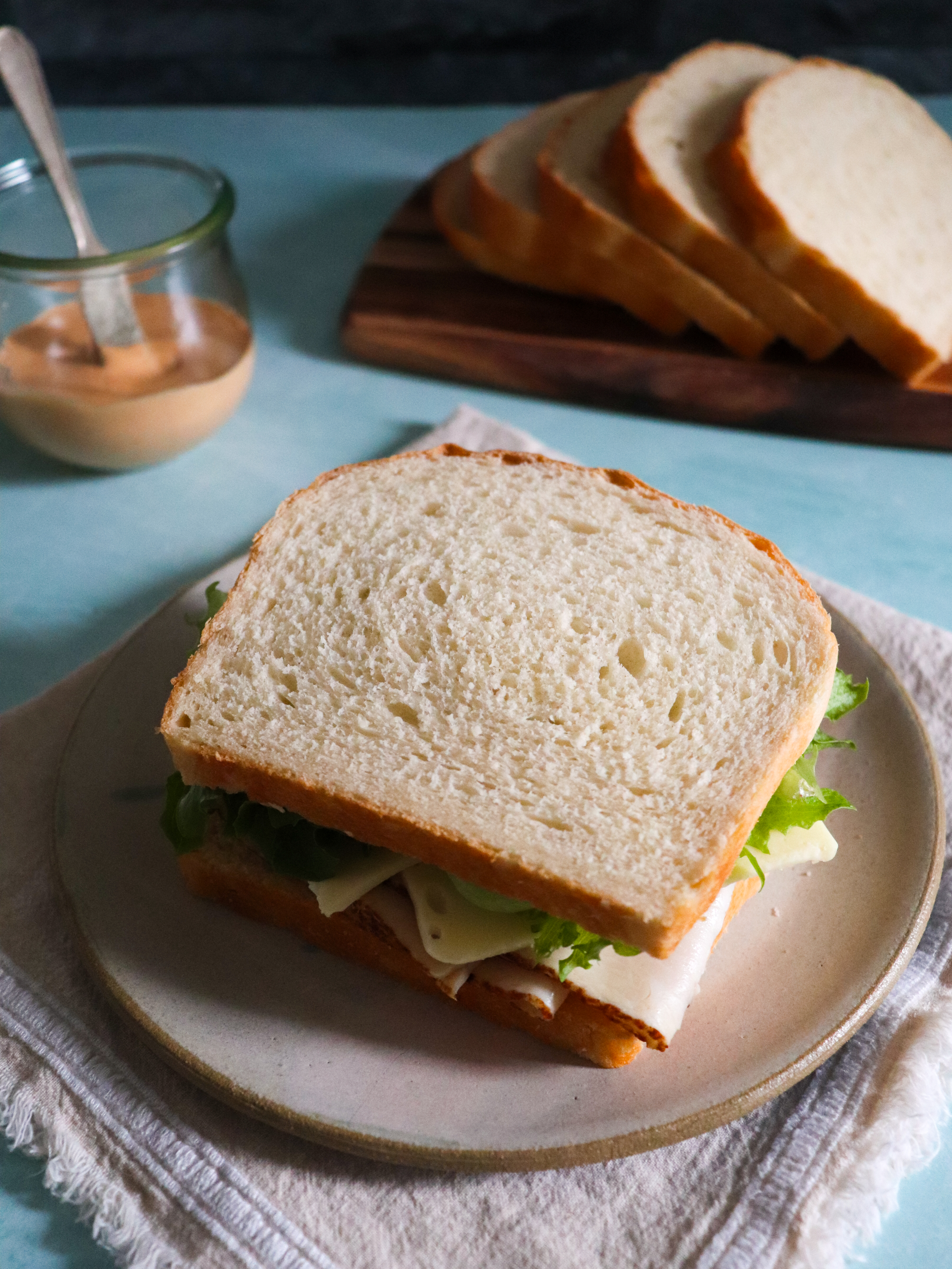
You’ve been staring at that sourdough discard in the fridge, wondering if it’s a culinary crime scene or a secret weapon. The truth? It’s both—an edible relic of your starter’s past, and a stealthy flavor‑booster that can turn a bland loaf into a buttery, honey‑kissed wonder.
Enter the unlikely partnership: sourdough discard + active dry yeast. One is the seasoned veteran who’s seen too many feeds; the other is the fresh‑out‑of‑the‑packet rookie who loves a good rise. Together they give you a sandwich bread that’s airy enough for a triple‑decker, yet sturdy enough to hold a mountain of deli meats without collapsing into a sad, soggy pancake.
If you’ve ever tried to bake a loaf with discard alone, you know it can be a bit shy—low in gluten, a tad too wet, and prone to a slow, sluggish rise. By tossing in a modest pinch of commercial yeast, we give the dough a boost while still letting the discard’s tangy personality shine through. The result? A “sourdough‑lite” loaf that’s fast, forgiving, and absolutely delicious.
This recipe transforms your unfed sourdough discard into a tender, flavorful loaf that’s ideal for toast, grilled cheese, turkey clubs, or simply slathered with butter. Best of all? It comes together with no special equipment, uses everyday ingredients, and works beautifully with that discard you might otherwise toss.
Ready to turn that leftover starter into the star of your lunchbox? Grab a mixing bowl, roll up your sleeves, and let’s get kneading.
Ingredients
Yields one 9×5-inch loaf
- 1 cup (237 ml) warm water (90–100°F / 32–38°C)
- 2 ¼ tsp (7 grams) active dry yeast
- 1 tablespoon (21 grams) honey or 1 tablespoon (13 grams) granulated sugar
- ½ cup + 1 tablespoon (135 grams) sourdough discard (unfed, straight from the fridge or at room temperature)
- 2 tablespoons (28 grams) unsalted butter, softened
- 3 cups (360 grams) all-purpose flour (Add more flour, 1 tablespoon at a time, if needed.)
- 1 teaspoon (6 grams) kosher salt
Equipment Checklist
- Large mixing bowl (or stand‑mixer with a dough hook)
- Kitchen scale (highly recommended)
- Dough scraper
- Plastic wrap or a clean kitchen towel
- 9×5‑inch loaf pan (or a parchment‑lined baking sheet for a free‑form loaf)
Step-by-Step Instructions (videos and photos too)
- In the bowl of a stand mixer (or a large mixing bowl if doing by hand), combine the warm water, honey (or sugar), and active dry yeast. Stir gently and let sit for 5–10 minutes, until foamy. This shows the yeast is alive and ready to go. 💡 Tip: Water that’s too hot will kill the yeast. Use a thermometer or test with your wrist—it should feel warm but not scalding. Also, check the expiration date on your yeast before starting.
- Stir in the sourdough discard and softened butter until the mixture is well combined. The discard may look chunky—don’t worry, it will blend in as you mix.
- Add 2 cups of flour and the salt. Using a dough whisk or a wooden spoon, mix until incorporated. Add the remaining 1 cup of flour and continue mixing with dough hook for 5–7 minutes, until the dough pulls away from the sides of the bowl and becomes smooth and slightly elastic. No stand mixer? Stir with a wooden spoon until shaggy, then turn out and knead by hand for 8–10 minutes.
- Shape the dough into a ball and place it in a lightly greased bowl. Cover with a damp towel or plastic wrap and let rise in a warm spot for 1–1.5 hours, or until doubled in size. The sourdough discard adds subtle flavor and a hint of acidity, but since it’s unfed, the yeast does the heavy lifting for rise.
- Turn the dough out onto a lightly floured surface. Shape it into a rectangle roughly 9×12 inches, then tightly roll it up from the short end (like a jelly roll). Pinch the seam and tuck the ends under to create a smooth loaf. Place seam-side down in a greased 9×5-inch loaf pan. I like to grease my pan with a gernerous amount of butter 😉.
- Cover the pan with a cotton towel and let the loaf rise for another 30-45 minutes, until it domes about 1 inch above the rim of the pan.
- Preheat your oven to 375°F (191°C) while the dough is rising.
- Bake for 30–35 minutes, until the top is golden brown and the internal temperature reaches 190–200°F (88–93°C). If the top browns too quickly, tent loosely with foil.
- Remove the bread from the pan and place it on a wire rack. Let it cool completely—this is crucial for a clean slice. Cutting too soon leads to gummy texture. (I know, it’s tempting!)


Your discard‑enhanced sandwich bread is now ready to be the foundation of culinary masterpieces: classic grilled cheese, BLTs, towering club sandwiches, or just a generous slab of butter and jam. The subtle tang from the sourdough discard pairs beautifully with the honey‑butter sweetness, while the active dry yeast ensures a light, airy structure that holds up to any filling you throw at it.


Why You’ll Love This Sourdough Discard Sandwich Bread
- Zero waste magic: Uses ½ cup + 1 tablespoon of unfed sourdough discard—no need to feed or activate it.
- Soft, fluffy crumb with a delicate tang—perfect for sandwiches.
- No fancy techniques: Ideal for beginner bakers or anyone craving homemade bread without the fuss.
- Uses active dry yeast—so you don’t need to rely solely on sourdough fermentation for rise.
So next time you’re tempted to toss that lingering discard, remember: it’s not waste—it’s an invitation to create something spectacular. And with a dash of yeast, a spoonful of honey, and a handful of butter, you’ve turned a kitchen leftover into a loaf that will make your sandwich dreams rise.
Happy baking! 🍞✨